
A First-Timer’s Guide to Spending 4 Days in Lisbon
Bom dia! It seems like it was forever ago (since we can’t travel now), but earlier this year, my friend and I spent 4 days in Lisbon, Portugal, and honestly, it deserved its own dedicated guide. Lisbon has been on my radar since I spent 3 days in Barcelona a few years back, and MLK weekend turned out to be the perfect time for a first visit. Spoiler: it was very worth the wait.
If you’re planning a first-time trip to Lisbon, this post covers everything from flights and where to stay to how to get around, the best things to do in Lisbon in 4 days, and a few things I wish I’d known before going.

How to Get to Lisbon from New York City (And Save Big on Flights)
Since starting grad school, I’ve gotten serious about using points and miles to travel without going into debt, and this Lisbon trip was a great example of what’s possible when you’re strategic.
I used 30,000 Delta SkyMiles and paid just under $70 in taxes and fees for my round-trip flights. My routing included a direct flight from JFK to Amsterdam Schiphol with a 6-hour layover, then onward to Lisbon, and a nonstop flight back from Lisbon to New York. My friend, who booked her trip about two weeks before departure, paid a little over $600 for her flight and hotel combined, which is still a solid deal for a 4-day trip to Europe.
During my Amsterdam layover, I hopped on a 20-minute train from Schiphol Airport to Amsterdam Centraal, walked around the city center, took some photos, and then headed back to the airport. Not a bad way to spend 6 hours, even if most things weren’t open yet at 7 AM.

Pro Tip: If you’re flying TAP Air Portugal with a layover in Lisbon or Porto, look into their TAP Stopover Program. You can extend your layover up to 5 days in Porto or Lisbon at no additional flight cost, and travelers often get perks at participating hotels, restaurants, and attractions. Had I known about this before booking, I absolutely would have turned my solo trip into a two-city adventure.
Best Time to Visit Lisbon, Portugal
One of the things I love most about Lisbon is that the weather is mild year-round. Temperatures generally range from about 47°F in the cooler months to 83°F in summer, which makes it a flexible destination no matter when you can travel.
Quick Lisbon Weather Guide
- Spring (March–May): Mild weather, fewer crowds
- Summer (June–August): Peak season, warmest weather, busiest
- Fall (September–October): Warm, fewer tourists
- Winter (November–February): Best deals on flights and hotels
We visited in January, and the weather was mostly sunny, around 60°F–65°F, with occasional light rain. There were even moments where I had to take my coat off because I was warm. That said, if you’re visiting Lisbon in winter, I’d suggest packing a packable puffer jacket, a compact travel umbrella, and sunglasses.
If you want to avoid crowds and save on hotels, winter is a great time to visit Lisbon. Summer is peak season and can get hot and busy. Shoulder seasons offer a nice balance of good weather and manageable tourist traffic.
Where to Stay in Lisbon: Best Neighborhoods for First-Timers
The best areas to stay in Lisbon for first-time visitors are:
- Baixa (downtown, very walkable, close to the main squares)
- Bairro Alto (great for nightlife and local restaurants)
- Alfama (the oldest neighborhood, beautiful views, very atmospheric)
- Avenida da Liberdade (upscale, central, great for shopping)
All of these neighborhoods put you within walking distance or a short transit ride from Lisbon’s top attractions, best restaurants, and major transportation hubs. For first-timers, staying central makes everything easier.
That said, if you’re on a budget, it’s totally worth considering a hotel just outside the city center near a bus or metro station. We stayed at EXE Saldanha, a boutique hotel about 15 minutes from Lisbon Humberto Delgado Airport in the business district. It was clean, comfortable, and convenient, and guests get a complimentary welcome drink and water on arrival, which is a nice touch after a long flight.
My room had a mini fridge, and there was a grocery store right across the street, so I stocked up on snacks and drinks instead of paying hotel prices. The hotel also has a bar and offers a daily breakfast for around €10, but we opted to explore nearby coffee shops and restaurants instead. Since we visited in the off-season, I paid just over $215 for my entire stay, including taxes, for a private room.
Here’s a map of budget to luxury hotels in Lisbon, whether you’re staying overnight or 3-4 days in Lisbon before or after a trip to another city in Portugal.

Getting Around Lisbon: Why the Lisboa Card Is Worth Every Euro
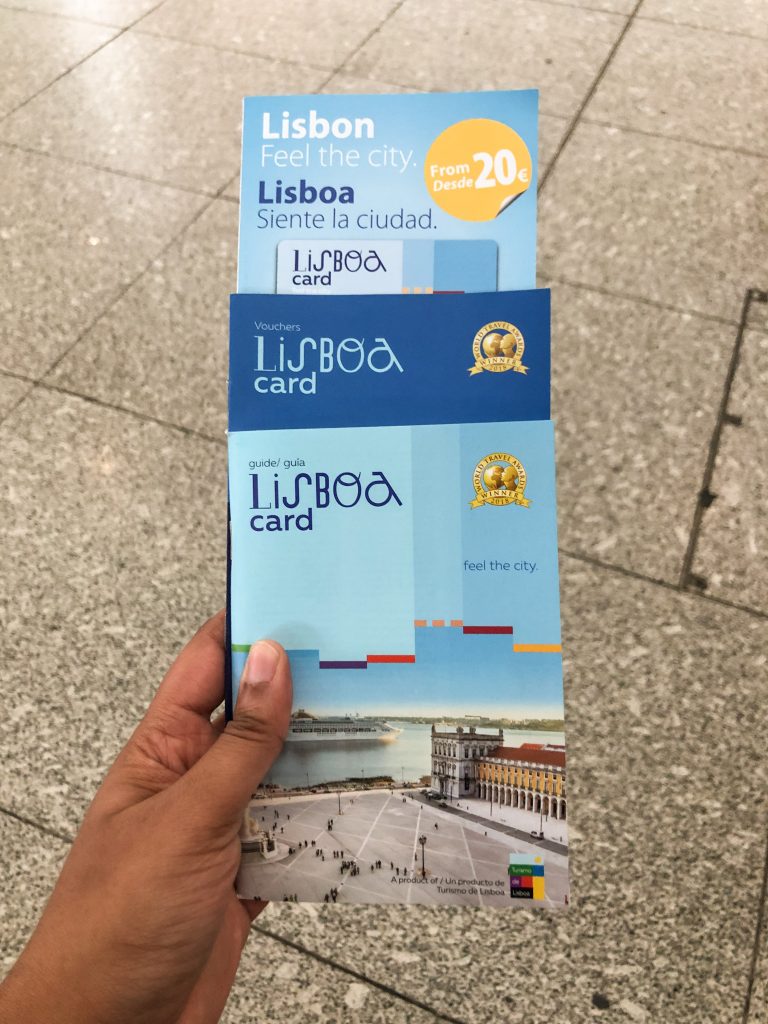
Uber and taxis are available in Lisbon, but honestly? The Lisboa Card (also called the Lisbon City Card) is one of the best travel investments you can make for this trip.
The Lisboa Card comes in 24, 48, and 72-hour options and includes:
- Unlimited rides on the Lisbon Metro, buses, and trams
- Free or discounted entry to museums, monuments, and key attractions
- Discounts at select restaurants and shops
We purchased 48-hour Lisboa Cards at the airport upon landing, and they covered most of our transportation for Friday through Sunday afternoon. I’ll be honest, I took a few Ubers before I fully figured out the transit system. Once I did, the card made getting around so much easier and more affordable. If you’re doing a 4-day Lisbon itinerary, I’d recommend buying the card on Day 1 and maximizing it right away.
You can purchase the Lisboa Card at the airport, at tourist offices around the city, or online in advance.
4-Day Lisbon Itinerary: What to Do Each Day
I’m the kind of traveler who likes to have a loose plan but stay open to spontaneity, and this trip was exactly that. If you’re looking for the best things to do in Lisbon in 4 days, here are some activities, excursions, and possible day trips you can add to your Lisbon itinerary.
Day 1: Arrival, Check-In & Welcome Dinner
After a long travel day, we kept it simple, checked into the hotel, caught up, and made final plans for the rest of the trip. For dinner, we went to Alcaparra, a nearby restaurant, now permanently closed, that the hotel recommended. They served delicious tapas and great wine, and it was the perfect low-key introduction to Portuguese food culture.
If you arrive in Lisbon tired, don’t feel pressured to do everything on your first night. A good meal and a solid night of sleep will set you up better for the days ahead.
Day 2: Lisbon City Center, Iconic Photo Spots & Evening Food Tour
Our first full day was packed in the best way. We spent the morning and afternoon exploring Lisbon’s city center, with both of us having photoshoots with local photographers.
Must-see spots in central Lisbon:
- Bica de Duarte Belo — one of the most photographed streets in the city, especially early in the morning before the crowds arrive
- Pink Street (Rua Nova do Carvalho) — iconic and best visited early
- Praça do Comércio — Lisbon’s grand waterfront plaza on the Tagus River
- Cais do Sodré — a lively riverside area with great energy
We also walked past Lisbon’s incredible street art murals, which you’ll find throughout the city. Street art is genuinely one of the highlights of exploring Lisbon on foot.
For a mid-afternoon snack, we stopped at Manteigaria in the Timeout Market, widely considered one of the best places in Lisbon to try Pastéis de Nata (Portuguese custard tarts). They’re flaky, creamy, slightly caramelized on top, and absolutely worth the line. Don’t skip them.

In the evening, we did a Portuguese Food and Wine Tour, and I can’t recommend it enough as a first-night activity for anyone visiting Lisbon. We sampled local cheeses, pastries, port wine, green wine (vinho verde), and several other drinks.
The highlight for my friend and me? The saltfish fritters. If you have any Caribbean or West African roots, these will hit different. We went back for more every single day after that. I’m not exaggerating.


Day 3: Day Trip to Belém + African Lisbon Tour
Day 3 in Lisbon was our most packed and our most meaningful.
Belém District is in western Lisbon and home to some of Portugal’s most iconic landmarks. With your Lisboa Card, you can get free or discounted entry to several sites here. Must-sees include:
- Torre de Belém — a UNESCO World Heritage Site and one of Lisbon’s most recognizable landmarks
- Jerónimos Monastery — stunning Manueline architecture that’ll make your jaw drop
- Padrão dos Descobrimentos — a monument celebrating Portugal’s Age of Discovery
- 25 de Abril Bridge — Lisbon’s answer to the Golden Gate, connecting the city to Almada across the Tagus River
Belém is also famous for Pastéis de Belém, the original pastel de nata bakery where the recipe originated, so consider this your sign to have a second (or third) custard tart of the trip.

The true highlight of our day, though, was the African Lisbon Tour with Naky. This is a walking tour that explores the lost, silenced, and often overlooked history of slavery and colonialism in Portugal, told through a mix of history, culture, and gastronomy.
It’s interactive, deeply informative, and one of the most eye-opening experiences I’ve had on any trip. The tour runs about 5 hours, covers a lot of ground on foot, and ends with dinner at an African restaurant in Lisbon’s African neighborhood.
When I walked into the restaurant and saw plantains and peppa sauce on the menu, I knew it was going to be a good night. We had okra, stewed chicken, and Cape Verdean dishes that felt like a warm hug. If you care about understanding the full history of the places you visit, not just the highlight reel, this tour is essential.


Day 4: Sunday Brunch & Day Trip to Sintra
We started our last day with brunch at Zenith Brunch & Cocktails, a popular Lisbon spot with great food and even better cocktails. It’s a great way to ease into your final day.

After brunch, we took the train to Sintra, a fairy-tale town about 40 minutes outside of Lisbon that’s honestly a must-do if you’re spending 4 days in Portugal. Our Lisboa Card covered the train ride and gave us a discount on the Hop-On Hop-Off Bus, which stops at all the major attractions, including:
- Pena Palace (our top priority, but it closes early on Sundays, so we missed it)
- Castelo dos Mouros (Moorish castle with incredible hilltop views)
- Palácio da Quinta da Regaleira (mysterious and beautiful)
- Cabo da Roca (the westernmost point of continental Europe)
- Palácio de Seteais and Parque de Monserrate


My honest advice: if you’re visiting Sintra on a Sunday, check Pena Palace’s closing times in advance and plan your day accordingly. It’s the crown jewel of Sintra, and I fully plan to go back to Portugal just to see it properly.
Important Things to Know Before Visiting Lisbon
Lisbon Is Very Safe
Lisbon consistently ranks as one of the safest capital cities in Europe. We felt comfortable walking around at night and never had any issues. If you’re a solo traveler, I always recommend taking necessary precautions about the neighborhood you’re staying in and being mindful of your surroundings. Overall, the city is very welcoming, and the locals were incredibly friendly and generous with recommendations.
Wear Comfortable Shoes
Lisbon is very hilly, and most of those hills are paved with cobblestone. It’s beautiful but unforgiving on your feet. Wear comfortable, broken-in walking shoes. Your future self will be grateful. If you get tired, you can always use the funiculars or lean on your Lisboa Card for public transport.
Lisbon Is One of Europe’s Most Affordable Capital Cities
Of all the European cities I’ve visited, Lisbon was one of the most budget-friendly. Food, wine, and even Uber are significantly cheaper than in cities like London or Paris. Between traveling in the off-season (cheaper flights and hotels) and Lisbon’s generally low cost of living, I barely touched my budget. It’s no surprise that Lisbon has become such a popular destination for retirees and digital nomads.
Lisbon is Great for Nightlife
Our guides on both the food tour and the African Lisbon Tour mentioned Lisbon’s nightlife as a major highlight, most of it centered around Bairro Alto. One key tip: don’t arrive too early. Lisbon nights don’t really get started until late, so plan accordingly if that’s on your list. It’s one more reason to go back.
Four days in Lisbon give you a solid introduction to the city. You can hit the main neighborhoods, do a day trip or two, eat great food, and get a feel for what makes Portugal so special. But honestly? You’ll leave wanting more. Between Pena Palace in Sintra, more time in Alfama, Porto, and the Algarve, Lisbon is absolutely a “first chapter, not the whole book” kind of destination.
Whether you’re planning a girls’ trip, a solo adventure, or a baecation, Lisbon checks every box. It has history, food, wine, and a pace that feels refreshing compared to other major European cities. If this guide helped you start planning your trip, save it for later, and let me know in the comments if you’ve been or if Lisbon is on your list!
Read More of these European Travel Guides
How I Spent 3 Days in Athens, Greece
2 Days in Paris: Top Things to Do for First Time Visitors
A First-Timer’s Guide to Visiting London in 4 Days